“Wagyu” on the Menu Doesn’t Mean What You Think
“Wagyu” on a menu is a breed story. It is not a grade.
I keep seeing the word used like a quality stamp. Fat = good. Japanese name = better. Pay more. That is lazy reading. A hook floating around this week said the same thing more bluntly: a breed name alone does not guarantee quality. The grade is what matters. I agree.
Japanese carcass grading is not mystical. The Japan Meat Grading Association runs a national standard. You get a letter and a number. The letter is yield — how much saleable meat comes off the carcass. A is the highest band, then B, then C. The Japan Meat Information Service Center’s English note puts A at an estimated yield of 72 and up, B from 69, C under 69.
The number is meat quality, one through five. Five is the top. It is not only marbling. Graders look at marbling, meat color and brightness, firmness and texture, and fat color and quality. The overall quality grade is the lowest of those four. So a carcass can marble like crazy and still get knocked down if another item is weak.
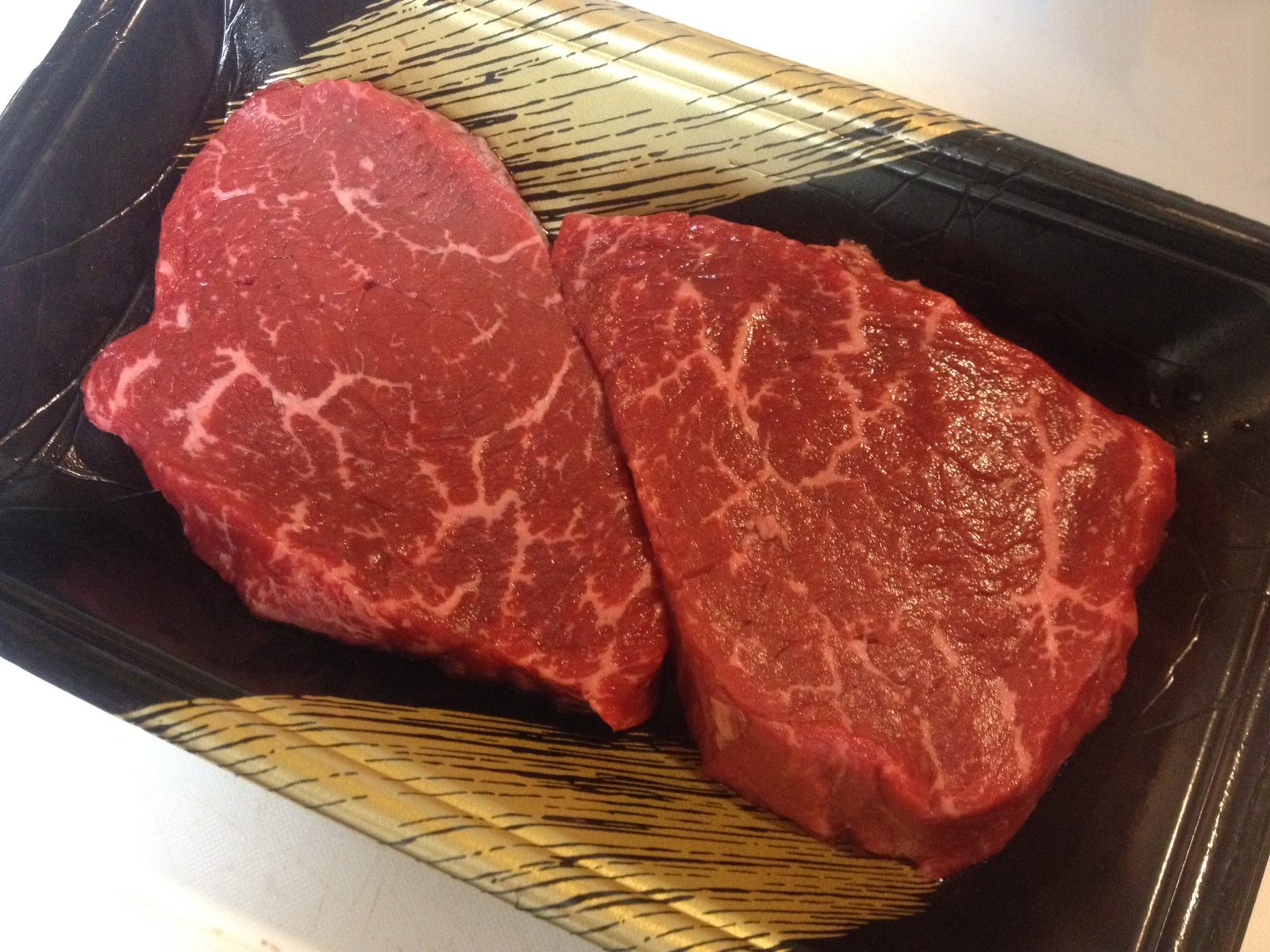
Marbling itself has its own scale: Beef Marbling Standard, BMS, from 1 to 12. Quality grade 5 needs BMS 8 through 12. That means A5 is a band, not a single snowflake pattern. BMS 8 and BMS 12 can both sit under A5. One will eat richer than the other. If a menu only says “A5,” you still do not know which end of that band you bought.
A5 is yield A plus quality 5. Fifteen combinations exist in total — A5 down through C1. “Wagyu” can land anywhere on that grid once it is graded. The word on the chalkboard does not tell you where.
Outside Japan the word stretches further. American packs labeled “Wagyu” are often crosses. Some menus mean Japanese cattle. Some mean a marketing adjective. Ask. If they cannot say grade, origin, or how much wagyu blood is in the animal, you are paying for a vibe.
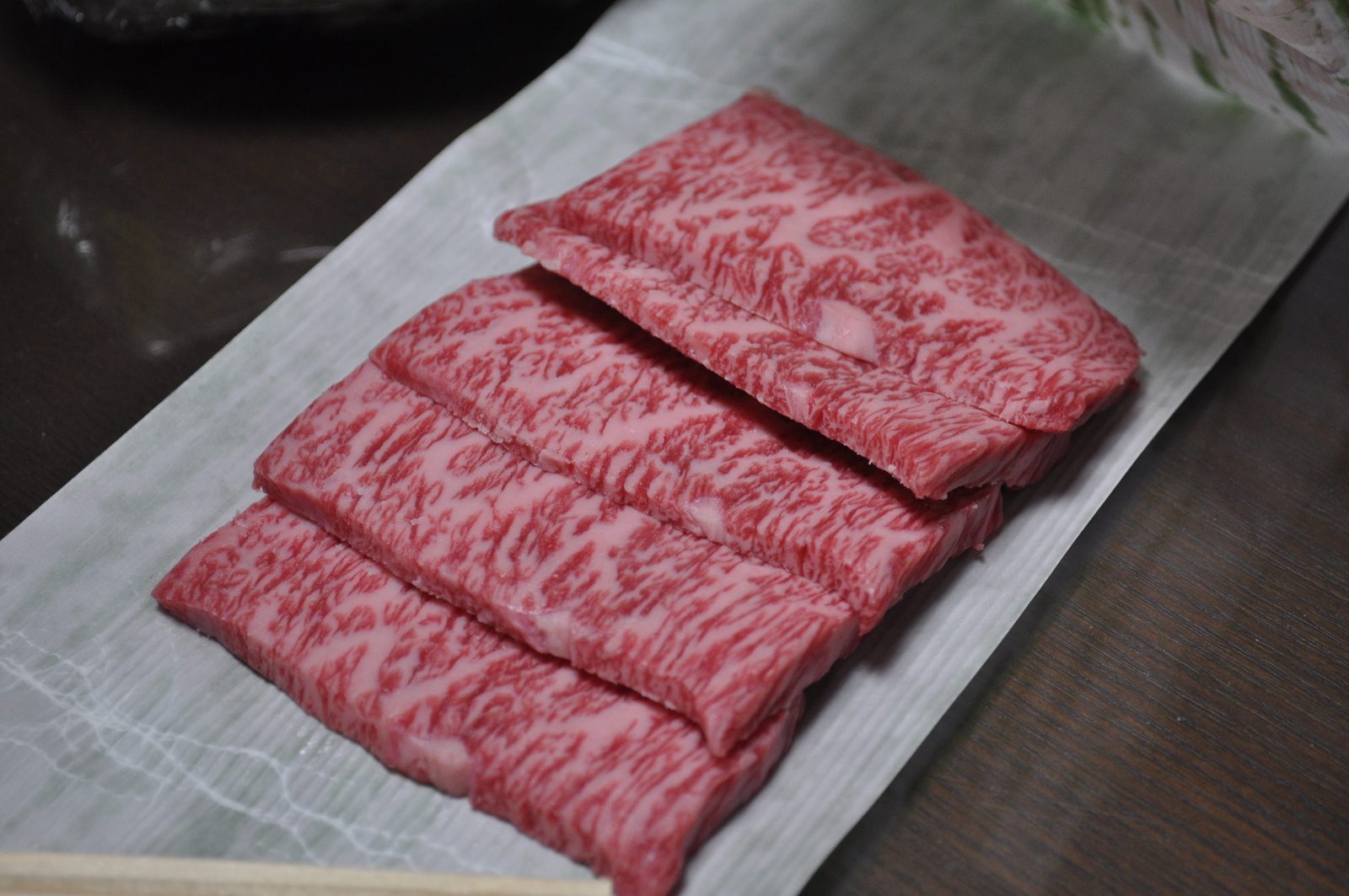
I have written about wagyu without turning every meal into a spreadsheet. A Queensland wagyu fillet took the World’s Best Steak title for 2026. Impressive. The award pages did not hand me a BMS for that winner, and I did not invent one. Cooking wagyu at home is a different problem — hot pan, real crust, pull it early — once you already trust the cut.
What I actually write after eating is often simpler. Wagyu sukiyaki I called “fairly good meat quality.” A Kobe wagyu steak got “good quality.” No A5 tattoo on those captions. Mouth first. Label second.
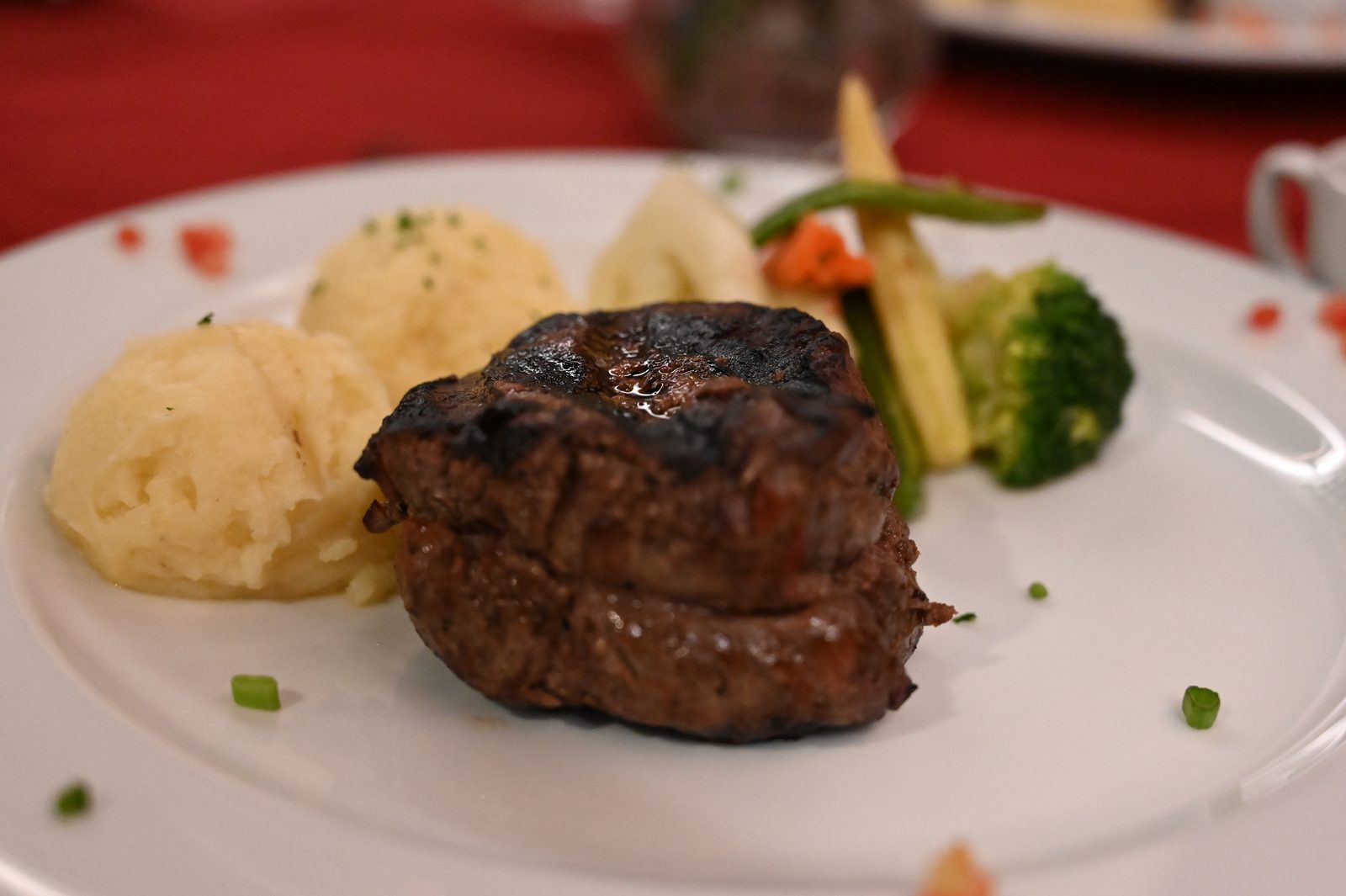
So when a menu just says wagyu, I treat it as a starting word. I want the grade if they have one. Yield letter, quality number, BMS if they will share it. Origin. Cut. Price that matches the band, not the buzzword.
Skip the upsell that only waves the breed name. Order the steak that can tell you what it is.
Stay tuned… next time a menu shouts “wagyu” with no grade, I am asking out loud.